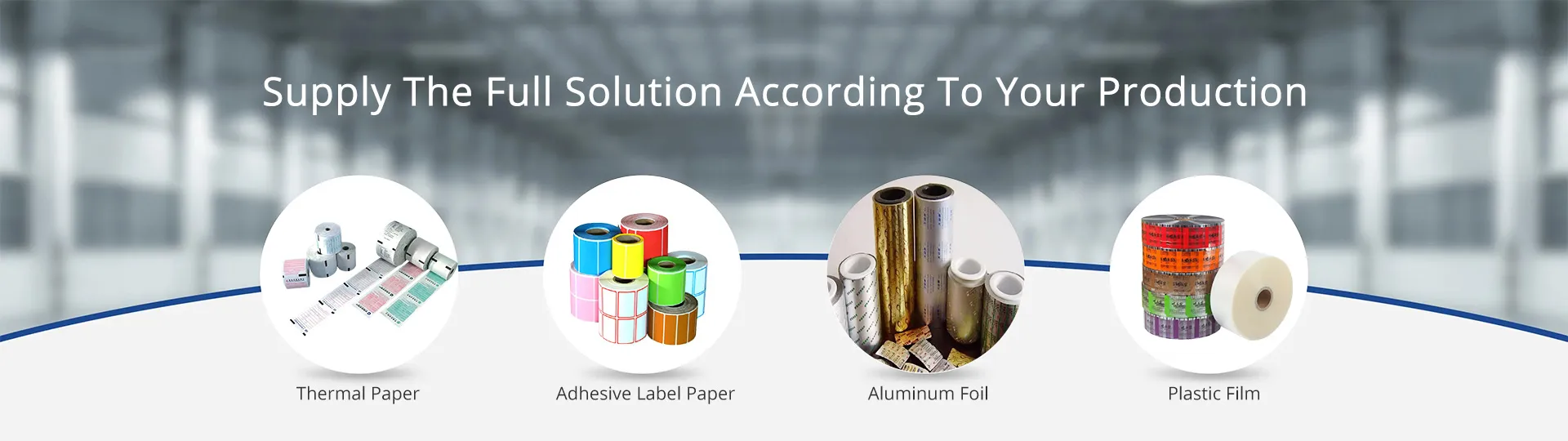
Types of Suitable Materials
1. Paper and Paperboard
Types: Coated paper, uncoated paper, kraft paper, pre-print corrugated
Applications: Packaging boxes
2. Plastic Films
Types: Polyethylene (PE), polypropylene (PP), polyester (PET), polyvinyl chloride (PVC)
Applications: Food packaging, beverage labels, shrink sleeves
3. Composite Materials
Types: Paper-plastic composites, aluminum-plastic composites
Applications: Specialized packaging (durable and protective)
Industry Applications and Corresponding Materials
1. Packaging Industry
Food Packaging: Snack packaging, candy wrappers, biscuit packaging
Beverage Packaging: Beverage bottle labels, drink cans
Cosmetics Packaging: Cosmetic boxes, bottle labels
Pharmaceutical Packaging: Medicine boxes, pharmaceutical bottle labels
2. Security Printing Industry
Banknotes: Printing banknotes for different currencies
Securities: Stocks, bonds, and other high-security items
Stamps: Commemorative and special-edition stamps
Advantages of Rotogravure Printing
High-Quality Printing: Achieves high resolution and color accuracy, perfect for reproducing detailed images and text.
Strong Ink Adhesion: Ensures ink adheres well to various material surfaces, maintaining print quality over time.
Durability and Lightfastness: Printed materials exhibit excellent abrasion resistance and lightfastness, retaining their appearance even in harsh environments.
Key Material Considerations for Rotogravure Printing
Material Type: Different materials require specific inks and printing parameters.
Material Thickness: Thickness affects printing pressure and ink transfer, requiring adjustments in settings.
Material Surface Properties: Smoothness, absorbency, and chemical properties impact ink adhesion and print quality, necessitating testing and adjustments.
Conclusion
Rotogravure printing machines offer flexibility and exceptional print quality, making them ideal for paper, plastic films, metal foils, and composite materials. Widely used in packaging, publishing, decoration, and security printing industries, they provide precise, efficient, and durable solutions. Choosing the right materials and equipment ensures optimal printing results and cost-effectiveness.