

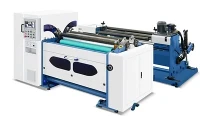
Laminating Machine
What is Laminating Machine
The core functionality of a Laminating Machine involves the application of pressure and heat in a vacuum environment to bond materials seamlessly. This process results in a final product that boasts durability, strength, and an impeccable finish. One of the standout features of Laminating Machines is their ability to ensure precise and consistent lamination.
Advantages of Laminating Machine
Customization Capabilities
Flexibility is a hallmark of Laminating Machines. Manufacturers can tailor the settings to meet specific requirements, allowing for the creation of customized laminated products.
Enhanced Efficiency
Efficiency is a key driver in modern manufacturing, and Laminating Machines contribute significantly to streamlined processes. The environment accelerates bonding, reducing production time without compromising on quality.
Durability and Longevity
Products laminated using this technology exhibit enhanced durability and longevity. Whether it's furniture, electronic components, or other materials, the final output withstands the test of time, contributing to overall product reliability.
Waste Reduction
Laminating Machines promote sustainability by minimizing material wastage. The precision of the lamination process ensures that each piece of material is utilized efficiently, aligning with eco-friendly manufacturing practices.
Why Choose US
Our Factory
Established 1999,name wenzhou jinghua machinery co.,ltd.exported machine to pakistan in 2007, exported machine to bangladesh 2008, exported machine to egypt 2009. and many other 50 coutries in these years.
Our Product
Dry laminating machine and other common machine. One is for customerized machine, such as foil printing machine, foil slitting machine, wax coating machine,PVC wall paper machine and so on.
QUALITY ASSURANCE
Two work-shop. One is for gravure printing machine, slitting machine,dry laminating machine and other common machine.
Our Service
We sincerely welcome friends from all over the world to cooperate with us on the basis of long-term mutual benefits.
Types of Laminating Machine
Film Laminators - The top layer of these laminators is incorporated into the laminator mechanism itself, so they use two separate layers of laminating film. A bottom layer of film is placed on the items and they are fed into the machine. Hot rollers align and press down the top layer as they pass through the machine. Many (or even larger format) items need to be processed quickly in large-scale production environments and this type of laminator is often the most flexible.
Pouch Laminators - This is the most commonly used type of desktop-type laminating machine on a day-to-day basis, and it can be found in a wide range of standard office environments. Prior to feeding a document into a clear plastic pouch or wallet lined with adhesive, pouch laminators must be heated to optimal temperatures. The sealed cover is then formed by pressing the two together under hot rollers.
Cold Laminators - Non-heated cold laminators are ideal for laminating sensitive items that cannot be exposed to high temperatures during the lamination process, such as vinyl, carbon copies, and certain types of photographs. They work by using pressure to seal an adhesive plastic pouch or film around the item. However, these machines are typically smaller and less expensive, and the pouches used can be significantly more expensive than those for hot laminators.
How Do Laminators Work
A laminator machine typically uses a combination of heat, pressure and an internal roller mechanism to apply a thin plastic cover to paper documents or other items, In the most common scenario, the paperwork in question is fed into the laminating machine one page at a time, sandwiched in loose plastic sheets or lamination pouches.
In the case of most modern pouch laminators, the plastic cover placed around the document being fed into the machine is pre-coated with a special sort of extruded adhesive on all of its inside surfaces. As the pouch is heated under pressure from the machines rollers, it helps to bond the two sides of the pouch tightly together across the front and back surfaces, forming a protective cover and seal around all four sides.
Some higher-end laminating machines will allow the user to adjust settings for temperature and feed-through speeds, which can make the job more efficient and effective when dealing with heavier duty pouches or larger work pieces. In addition, some machines have the ability to reverse-feed documents that have become misaligned, often using special sensors that can detect misfeeds and perform this reversal function automatically.
As they perform their heating and pressing function, the laminators rollers tend to lose some of their heat as its transferred directly into the cardboard carrier and the document pouch - this is why youll often have to wait a short time between documents, to allow the rollers to come back up to optimal temperature once again before feeding your next document in. However, most modern laminators heat up very quickly, so there isnt usually a significant delay required between successive feeds.
How to Use a Laminator
When using a pouch-style laminator to seal plastic wallets or films together around an item, the document and its pouch are usually assembled first outside the machine. In some cases, these are then placed inside an additional protective cardboard cover, known as a carrier.
On certain models, this carrier adds an important layer of protection between the hot rollers and the plastic surface, which reduces the chances of the plastic pouch bubbling, clouding or sticking to the rollers as it's heated. Note, however, that most modern brands of laminating machine no longer require a carrier - it used to be entirely standard, but these days the demand for them is becoming less widespread.
Always check whether the manufacturer of your chosen model recommends a carrier or not, as using them unnecessarily can mean having to perform multiple passes of a single document, when in most cases they ought to require just one. Where they are required, they can sometimes be supplied with the laminating machine itself, but it's more common to find them included with packs of pouches bought separately.
During the lamination process, the user waits for machine's rollers to come up to temperature after being switched on and then feeds the document assembled in its pouch - either with or without the cardboard carrier - in through an opening or tray at one side of the machine. As the document passes through the rollers, the plastic pouch around it is heated and pressed together, forming a sealed cover.
After successfully laminating a document or item, any excess plastic left to form a border around the edges can then be trimmed away once the surface has completely cooled. Never attempt to do this when the item is fresh off the machine, as this can warp or distort the plastic in various ways which will then be very difficult to correct or remove as the sealed pouch hardens.
How to Properly Use a Heavy-Duty Laminating Machine


Begin by turning on the laminating machine and allowing it to warm up. Heating times can vary depending on the machine.
While the machine is warming up, prepare the document or material you want to laminate. Trim any excess paper or edges to ensure a neat and professional finish.
If you're using a pouch laminator, insert the document into the appropriate size pouch, making sure it fits snugly. Avoid overlapping the edges of the document or pouch to prevent uneven sealing.
If you're using a roll laminator, cut a piece of laminating film slightly larger than the document or material you want to laminate. Place the document in the center of the film, leaving a small border around the edges. This border will ensure proper adhesion during the laminating process.
Once the laminating machine has reached the optimal temperature, feed the document or material through the machine. For pouch laminators, place the pouch into the designated entrance, ensuring the sealed side enters first. For roll laminators, carefully align the document with the laminating film and feed it into the machine, making sure to maintain even pressure on both sides.
As the document or material passes through the laminating machine, the heat and pressure will seal the laminating film around it, creating a protective layer. Ensure you guide the document or material through the machine smoothly and evenly to prevent wrinkles or bubbles.
Once the laminating process is complete, carefully remove the laminated document or material from the machine. Allow it to cool and set before trimming any excess laminating film.
Firstly, you need to determine the maximum width of documents or materials you will be laminating. This will help you choose a machine with an appropriate laminating width capacity. It's important to note that the laminating width capacity is different for pouch laminators and roll laminators, so consider the type of laminating tasks you will be performing.
Next, consider the speed at which you need to laminate documents or materials. Some laminating machine heavy duty offer adjustable speed settings, allowing you to control the laminating process to match your desired pace. If you have high-volume laminating needs, opting for a machine with faster laminating speeds can significantly improve your efficiency.
Another important factor to consider is the thickness of the laminating film. Laminating films come in different thicknesses, measured in mils. Thicker films provide increased durability and protection, but they may also be more expensive. Consider the level of protection you need for your laminated materials and select a laminating machine that accommodates the appropriate film thickness.
Additionally, pay attention to the heating system of the laminating machine. Some machines utilize heated rollers, while others use heated plates. Both systems have their advantages and disadvantages, so it's important to choose one that suits your specific requirements.
Consider the overall build quality and durability of the laminating machine. Look for machines made from sturdy materials that can withstand heavy use without breaking down.
The laminating machine is a special equipment that combines newspaper printing with dipping plastic. Compared with the laminating machine, its great feature is that there is no dispensing, adjusting and drying part. Therefore, this type of laminating machine has a compact structure, a small body size, a low project budget, a simple operation process, and a good product quality.
The laminating machine consists of four important parts: dipping plastic film unwinding, newspaper printing automatic input, laminating area composite, automatic unwinding, as well as transmission gears, dipping plastic film processing, horizontal and vertical slitting, and computer automatic It is composed of auxiliary equipment such as automatic control system.
The automatic transport mechanism of the newspaper printing input part can ensure that the newspaper printing does not cause overlap and lock to enter the composite part during transmission. It is generally controlled by pneumatic or friction methods. The same is true when printing newspapers with small composite widths. The above requirements can be considered.
The composite part includes composite roller group and smoothing roller group. The composite roller group is composed of pressure roller and pressure roller with silica gel heating. The hot pressure roller is a hollow roller, equipped with heating equipment, the surface is forged with hard chromium, and is polished and finely polished.
What to Do After Stopping Using the Laminating Machine
After use, please stop heating. When the temperature drops below 80℃, stop the rubber roller rotation, raise the rubber roller, and turn off the power at the end; if there is an automatic shutdown function, please select this function first, and then turn off the power.
Keep the laminating equipment clean for a long time, especially the rubber roller, workbench, balance roller, etc.
Check whether there is dirt on the surface of the rubber roller, especially whether there is dirt on the surface of the rubber roller.
After each use of the machine, the machine must be cleaned immediately so as not to affect the quality of the film next time it is used. Wipe the roller with glue thinner (alcohol or xylene) and a soft towel. It is strictly forbidden to use sharp tools (such as blades) to touch or scratch the surface of the rubber roller, otherwise it will damage or completely damage the flatness of the rubber roller and make it impossible to use it.
When operating the touch screen, please press lightly, do not use too much force or too much force, and do not touch the surface of the screen with hard objects.
When using the laminator every day, add a small amount of oil to the transmission chain once a month, and clean the transmission chain once every six months. The machine is inspected in various aspects once a year, and the problems are solved in time.
If the rubber roller needs to stop rotating for a long time, you need to stop the heating of the heating tube first, so as not to burn the rubber roller when the temperature is too high, affect the temperature balance of the rubber roller surface, and directly affect the coating effect.
When lamination, ensure that there is no sliding between the inner cylinder and the fixed card, so as not to affect the quality of lamination due to uneven tension.
It is necessary to regularly add lubricating oil to the transmission parts and sliding surfaces of the machine to ensure that the machine works in a good lubrication state, especially the large bearing of the coating roller is easy to volatilize due to high pressure and high temperature. High-temperature lubricating oil should be added in time (the high-temperature lubricating oil should be added every 50 hours as much as possible during heating operation) to make it work normally under high temperature and high pressure. The rotating shaft should be lubricated regularly to ensure reliable rotation.
How to Maintain the Laminating Machine
Frequently check the oil pipes, valves and cylinder plugs of the hydraulic system for oil leakage. When oil leakage is found, the sealing ring should be replaced in time, and an appropriate amount of hydraulic oil should be filled into the hydraulic cylinder in time.
Frequently check whether there is rubber or grease on the rubber roller, and clean the rubber and dust on the roller in time. Ensure that the surfaces of the two rolls are clean and dark. The surface of each roller must be kept clean. After each application of the machine, be sure to clean the machine immediately.
Use glue thinner to wash and wipe each roller with a soft towel. It is strictly forbidden to scrape the surface of the roller with a sharp tool. Every time the machine is turned on, the dust on the surface of each roller should be wiped off. And check whether the surface of each roller of the machine is dark, if the machine is malfunctioning or abnormal sound, you should analyze and find the cause in time and clear it. The machine can be used only after the standby device is normal.
The grounding of the machine and the insulation of electrical appliances should be ensured well.
The blade line of the squeegee should be kept flat and elastic. When there is a roundabout, tooth gap, curling, etc., it should be trimmed and replaced in time. The manganese steel skin of 0.15~0.20 mm or the blade of the offset printing machine should be used according to the original specifications. Change the size.
Lubricate the transmission parts and sliding surfaces of the Automatic Laminating Machine regularly to ensure that the machine is in a good lubrication state. Especially the large bearing of the pressing roller encounters high pressure and high temperature, and the lubricating oil volatizes and loses casually. The high-temperature lubricating oil should be dwarfed in time to make it work normally under high temperature and high pressure.
The machine must be inspected once a year to find and solve problems in time to avoid more serious damage to the machine.
FAQ