The precision of the register (also known as registration) in a printing press-meaning how accurately colors and images align during multi-color or multi-layer printing-is influenced by several mechanical, material, and environmental factors. Key factors include:
Mechanical Tolerances: The quality and condition of press components such as gears, rollers, bearings, and shafts affect how consistently the paper moves through the press and how accurately the plates are positioned.
Printing Plate Alignment: Any misalignment in the mounting of printing plates can cause registration errors. This includes incorrect positioning on the cylinder or plate cylinder distortion.
Web Tension Control: In web-fed presses, maintaining consistent tension across the paper or substrate is critical. Fluctuations in tension can stretch or shift the web, leading to misregistration.
Paper Quality and Consistency: Variations in paper thickness, moisture content, and surface smoothness can affect how the paper travels through the press and interacts with ink and plates.
Ink Viscosity and Drying Time: Improper ink properties can cause smearing or inconsistent transfer, which may affect visual alignment even if the mechanical registration is accurate.
Temperature and Humidity: Environmental conditions can cause expansion or contraction of paper and other materials, affecting their dimensions and movement through the press.
Cylinder Circumference and Repeat Length Accuracy: Mismatches between the repeat length of the printing cylinder and the substrate's printed area can cause cumulative registration errors over time.
Sensors and Registration Controls: Modern presses use sensors and automated control systems to detect and correct misregistration. The accuracy and responsiveness of these systems are essential for high-precision printing.
Operator Skill and Maintenance: Regular maintenance, calibration, and operator expertise play a significant role in maintaining registration accuracy.
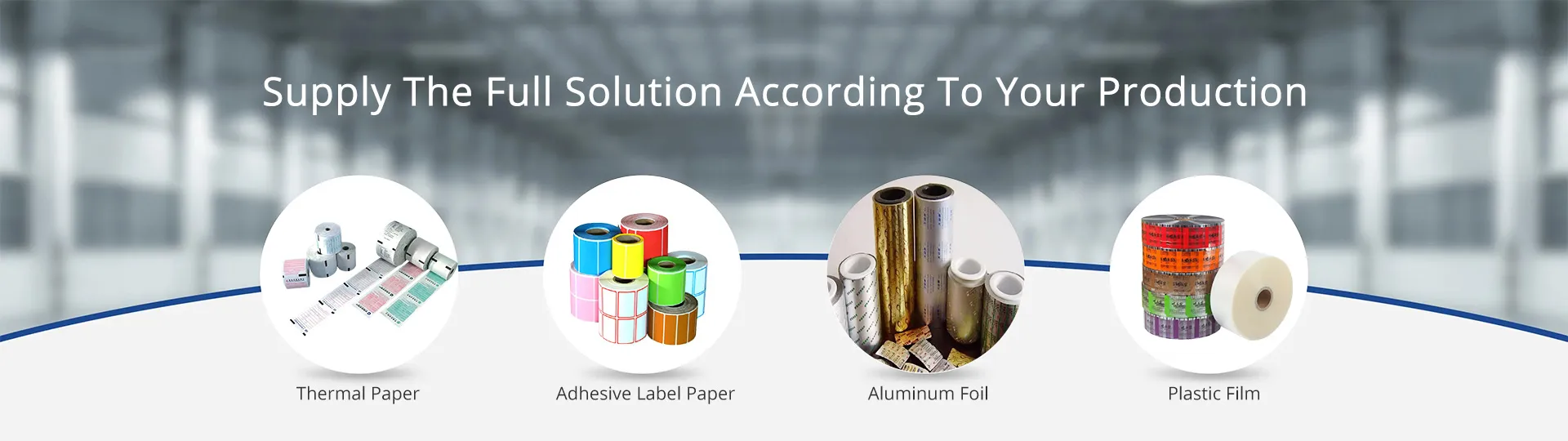
Substrate Type: Different substrates (e.g., plastic films, foils, cardboard) behave differently under pressure and heat, influencing registration consistency.
By managing these factors carefully, printers can achieve high levels of registration precision necessary for quality color reproduction and complex designs.