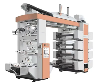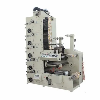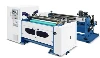
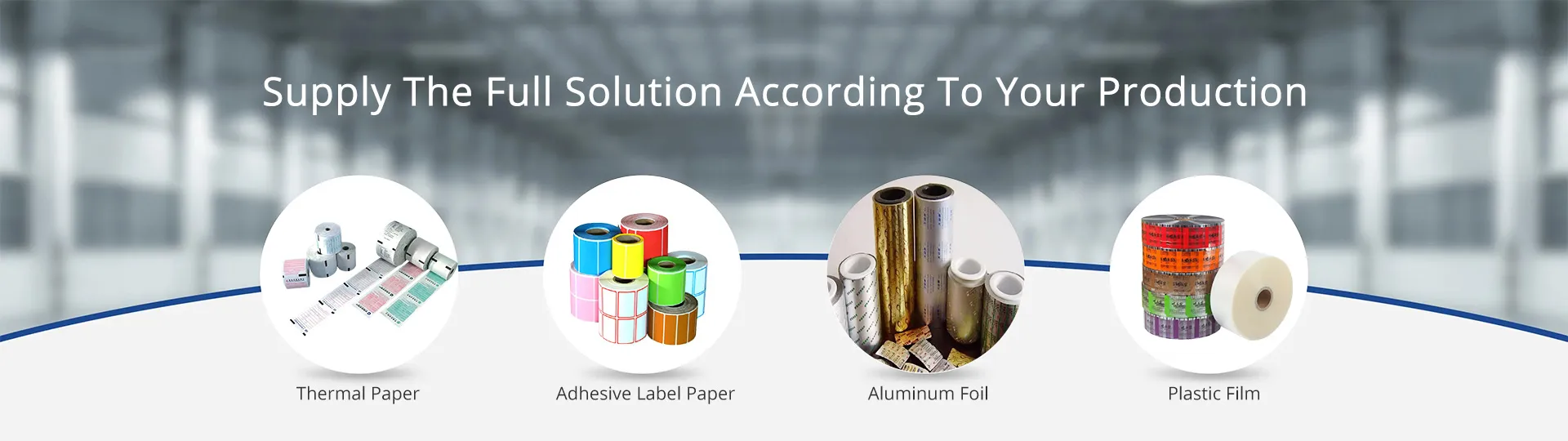
Laminating machine is a special equipment for paper, board and film mounting. It pressurizes the material through rubber roller and heating roller to make it come together to form a paper-plastic product.
1. Classification
Laminating machine can be mainly divided into the following categories:
Instant coating laminating machine: including three parts: gluing, drying and hot pressing. This equipment has a wide range of applications and stable and reliable processing performance. It is a widely used laminating equipment in China. However, oily glue may produce harmful gases during processing, which will affect human health, so its environmental protection is relatively poor. Water-based glue is relatively more environmentally friendly, but the cost is higher.
Pre-coating laminating machine: no gluing and drying parts, small size, low cost, flexible and convenient operation. It uses plastic film with pre-coated glue. When laminating, the glue is melted by heating, and then the film is bonded to the printed matter by pressure. This equipment is not only suitable for laminating processing of large-scale printed matters, but also for laminating processing of small-scale and scattered printed matters such as automated desktop office systems. Pre-coating laminating machine is a trend in the development of laminating.
Cold laminator: a laminating machine that works at room temperature and is not heated. It directly sticks the sticky film to the printed matter by applying pressure. This machine is cheap and widely used, suitable for industries such as board materials, decoration, and hardware.
Small laminator: a simple and practical professional laminator, which can also be used as a laminator, cold laminator, and PVC heat sealer. It is suitable for laminating business cards, recipes, photos, and graphic prints, especially some small printing plants, typing and copying shops, business card production companies, and photo studios.
2. Working principle
The working principle of the laminator is mainly to apply the adhesive to the plastic film through a roller coating device, heat the film with a hot pressing roller to soften it, and then press the printed matter coated with the base material and the film together to form a paper-plastic laminated product.
3. Laminating process
Laminating process is a surface processing process after printing, also known as post-printing laminating, post-printing gluing, or post-printing laminating. It refers to a product processing technology that uses a laminating machine to cover the surface of the printed product with a layer of 0.012~0.020mm thick transparent plastic film to form a paper-plastic integrated product. According to the process used, laminating can be divided into two types: instant laminating and pre-laminating; according to the different film materials, it can be divided into two types: glossy film and matte film.
IV. Application Fields
Laminating machines are widely used in commercial office, computer inkjet printing, trademark production, printing and packaging electronics and other industries. It can be used to laminate the surface of the product for protection, and it can also be used for gluing the product. The laminated product has high corrosion resistance, waterproof, dustproof, wrinkle resistance and UV erosion resistance, and can produce a strong three-dimensional sense and artistic appeal.