

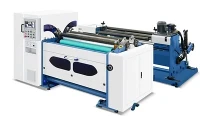

flexo printing press

Central Drum Flexo Printing Machine
The high speed Flexo Printing Machine, also known as Central Drum Flexo Printing Machine, This is multicolor flexo press as four colors,six colors and eight colors,always are used in the printing industry for producing high-quality packaging materials such as Plastic Film, paper, paper cup, non-woven fabric, aluminum foil, etc.

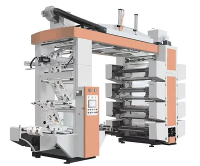
6 Color Flexo Flexographic Printing Machine
This machine is suitable for printing such packing materials as Paper, PP, PET, PE, PVC, Non-woven Fabric etc. And it is a kind of ideal printing equipment for producing paper packing bag for food, supermarket handbag, vest bag and clothes bag, etc.

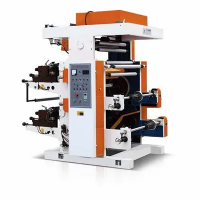
2 Color Plastic Bag Flexo Printing Machine
This machine can printi narrow web material and wide web material. This machine is suitable for printing such packing materials as polyethylene, polypropylene plastic bag, glass paper and roll paper, etc. And it is a kind of ideal printing equipment for producing paper packing bag for food, supermarket handbag, vest bag and clothes bag, etc. This machine also can be customization single color print.

4 Color Plastic Film Flexo Printing Machine
Stack flexo printing machine is a specialized printing press used for high-quality flexographic printing. It is designed to produce high-quality printed materials, primarily on flexible substrates such as plastic film, paper, and Non Woven. The machine consists of multiple printing units that can each print one colors. The stack configuration enables the machine to print with a repeatable precision, consistent color matching, and high-speed operations. This type of printing machine is widely used in the flexible packaging industry for printing on packaging materials, bags, pouches, labels.This machine also can print BOPP,PVC,PET,OPP and other plastic film material.

This multitec flexo printng machine can print multicolor like 2color,4 color ,6color and 8color.This machine suitable for polyethylene plastic bag ,glass paper and roll paper etc. And it is a kind of ideal printing equipment for producing paper packing bag for food, supermarket handbag, vest bag and clothes bag, etc.The machine also can print non-woven bag used for shopping bags, gift bags, advertising bags, eco-friendly bags, clothing bags.
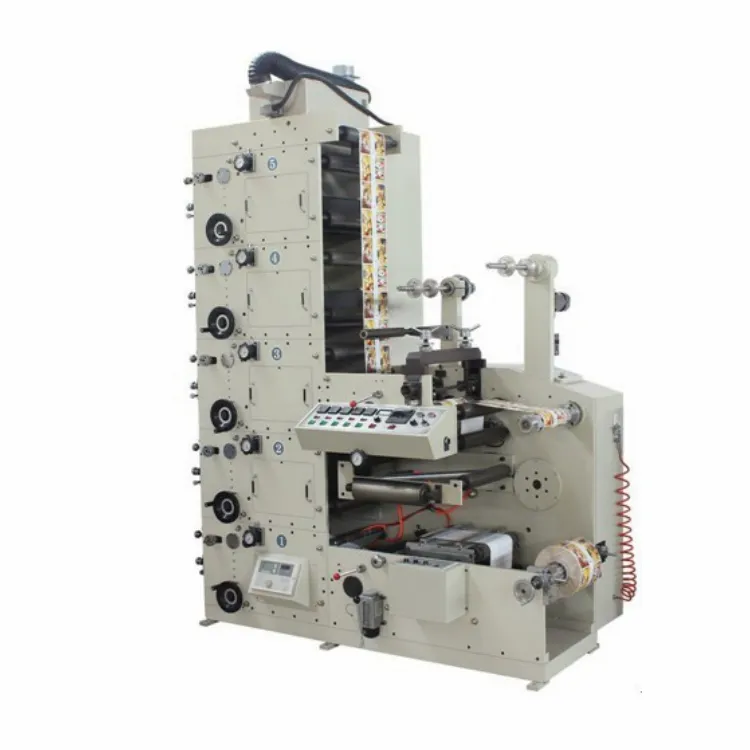
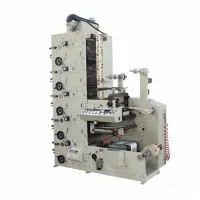
Sticker Label Flexo Printing Machine
This small machine suitable for narrow web material.This is an economical and environmental friendly printer for printing plastic film(BOPP/PVC/PET/OPP/PP ect), paper cup, adhesive label,adhesive paper ,use water basic ink or UV ink, you can get different printing size and quality by changing printing cylinders and anilox rollers, so the printing quality can reach your demand.The machine can finish material-feeding, printing, varnishing, drying, laminating, rewinding and die-cutting in a lump.It is an ideal machine for printing note and top-grade adhesive label.
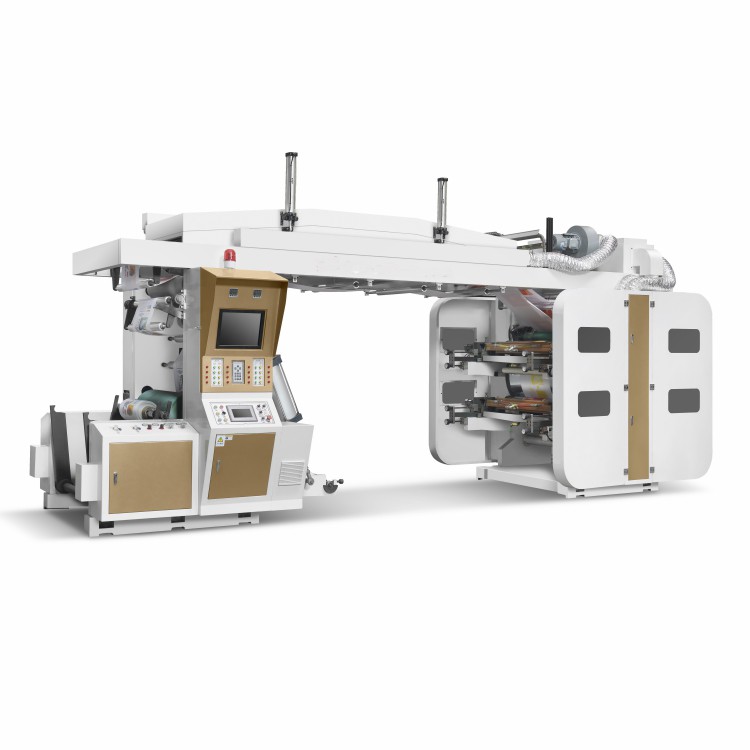
This is FOCO printer. This central impression (central drum)flexographic printing machine is suitable for printing such packing materials as it is a kind of ideal printing equipment for producing paper,non woven ,plastic film BOPP/PVC/PET/OPP/PVC etc. And it is a kind of ideal printing equipment for producing paper packing bag for food, supermarket handbag, non-woven bag, vest bag and clothes bag, etc.
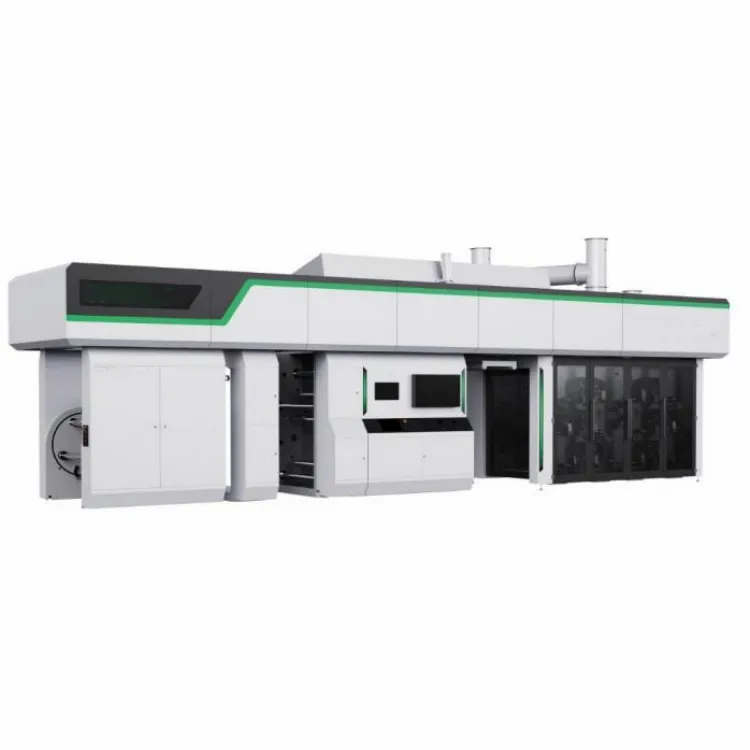
Servo Gearless Flexo Printing Press
This fully automatic high speed Central Impression Flexo Printing Machine is Suitable for Roll to Roll Printing Plastic Film, Paper, Non Woven Fabric, PP Woven Fabric, Aluminum Foil, And Other Similar Roll Type Materials.The machines can print various patterns ,graphic and logo ect.
WENZHOU SUNNY MACHINERY CO.,LTD SINCE 1999
Established 1999,name wenzhou jinghua machinery co.,ltd.exported machine to pakistan in 2007, exported machine to bangladesh 2008, exported machine to egypt 2009. and many other 50 coutries in these years.
Why Choose US
Our Factory
Established 1999,name wenzhou jinghua machinery co.,ltd.exported machine to pakistan in 2007, exported machine to bangladesh 2008, exported machine to egypt 2009. and many other 50 coutries in these years.
Our Product
Dry laminating machine and other common machine. One is for customerized machine, such as foil printing machine, foil slitting machine, wax coating machine,PVC wall paper machine and so on.
QUALITY ASSURANCE
Two work-shop. One is for gravure printing machine, slitting machine,dry laminating machine and other common machine.
Our Service
We sincerely welcome friends from all over the world to cooperate with us on the basis of long-term mutual benefits.
The flexo printing machine 6 colour variant is particularly popular due to its ability to print with six different inks simultaneously, allowing for a broad spectrum of colors and intricate designs. These machines are adept at handling various substrates, from woven and non-woven fabrics to more robust materials, making them suitable for packaging essentials in industries like food and beverage, pharmaceuticals, and agriculture.
Advantages of Flexographic Printing Machine
High quality print
Flexography achieves a consistently high level of print quality across a wide range of materials/substrates without the need of special coatings, as it reduces the overall cost per unit. This is a significant advantage over other print solutions which may have a very narrow band of compatible substrates.
High speed production
Flexo printing is fast. Presses manufactured in 2000 to 2002 for the packaging printing industry could manage an average speed of 150 to 300 ft./m (FPM), with 400 FPM being an acceptable norm. Modern Flexo presses have increased this capacity to over 600 FPM, giving a big advantage to businesses that have chosen to invest in more recent equipment. The use of rotary print heads also makes it possible to print continuous patterns, an innovation that allows printers to complete complex designs in a single print run.
Extremely versatile print process
Flexographic printing can be applied to a wide range of industries, including textile printing, packaging printing, label printing and more. The versatility of the machines means that presses can be adapted to accommodate different types of order, giving print businesses the ability to diversify their market appeal and remain competitive.
Very economic for medium & high volume production
Despite great advances in digital printing, digital is still expensive and comparatively slow for medium and high volume print runs. For the many clients who still require medium to large volume print runs, especially in the label business, flexography wins hands down and can often compete with Digital on short runs too.
In-line converting flexibility
Cycle time is drastically reduced by the in-line converting capacity native to many modern Flexo presses. This means that most print runs can be completed in a single pass. Flexographic printers can integrate many other kinds of in-line processes too, including silk screen, hot foil, cold foil, digital print, variable data print, lamination, booklet insertion, RFID insertion, multi-layer printing, and reverse side print. It is also possible to apply primers, coatings, adhesives and varnishes in-line, cutting overall finishing time.
How to Select Suitable Flexographic Printers
Cost
Flexographic machines are quite complex and large in size, usually ranging from 18 to 30 inches. When acquiring this printing machine, buyers should pay for its quality. Limited features on a machine mean it is of low quality and could be less costly. Another factor to be taken into account is the precise mounting of print cylinders. Any slight inefficiencies in the printing process and defective features will adversely affect the quality of print runs. This could lead to increased wastage, inaccurate printouts, and reduced quality, hence reduced return on investment. Also, more color options, wider print labels, and using advanced print drive systems make the flexo machine more expensive.
Quality
It begins with researching and purchasing a quality flexo printer from a well-known and reliable manufacturer. This goes from guaranteeing high performance by their equipment to dynamic and resourceful after-sales services that enhance buyer satisfaction. Quality can also be shown by the surplus features on the machine like rapid printing, advanced automation, and efficient drive systems. The features add value to production and directly improve the efficiency of the workflow.
Operation
Concerning operation, the equipment should be able to promote the planned production process so that the buyers will not need to regulate work around it. Various types of flexographic equipment are dried by high-pressured air, ultraviolet curing, or infrared systems. Others use LEDs to feed the ink to the substrate. Notably, the machines that use LEDs require lower energy to run as compared to those that use fan-powered systems.
Functionality
Flexo printing equipment comes with supplementary specialties meant to improve functionality. Several factors could be taken into account depending on production requirements. For instance, a machine with an extra drying system, a conveyor system, a web cleaner, and an automated inking system.
Productivity
The combination of a flexographic machine and other external equipment improves its functionality and performance. For instance, elastomer sleeves increase productivity by reducing waste and fixing time. They are a simple printing solution that is sustainable, long-lasting, and adjustable compared to other materials.
Applicability
Flexographic printing is a form of rotary printing where ink is applied to surfaces by use of flexible rubber or printing plates. It has been widely used as an economical and quick way of making simple designs and applying color to various packaging materials like plastic and paper containers.
Operating size
The flexographic printing method is a typical example of convex printing done on plastic, paper, and cardboard. Buyers should consider the dot per inch (dpi) of a printer, which is the measure of the printed image quality on the material. The minimum dpi for a standard flexographic printer is 3% file dot. A plate cannot hold an image element smaller than 3%.
Flexographic Label Printing Press Components
Feed & Unwind Station: Control of the substrate is essential, feeding it into the press at a pre-defined tension , constantly even as the diameter of the roll changes . The unwind system should have automatic web guides and options for web cleaning and Corona treaters for synthetic substrates.
Printing station: The print station needs to provide a smooth & stable drive to ensure the printed image is clean & vibration free. The basic Flexo systems includes an Ink storage tank , one or more fountain/metering rolls , Anilox Roll & Plate Cylinder . As we saw above, The ink is picked up from the tank by the metering roll which wets the anilox Roll and then ink transferred to the plate cylinder which holds the printing plates, and then onto the impression cylinder which carries they substrate, the image is transferred from the plate to the substrate before repeating the continuous process. Together, the two cylinders are sometimes known as the print anvil.
Drying Station: Each colour should be dry before the next is applied to the substrate. The drying section might include a combination of Infrared & Air drying or UV / LED curing or both systems. Better machines will ensure the drying intensity is matched to the press speed which can be variable with different applications.
Chilling Rollers: With a growing use of ever thinner synthetic and unsupported films there is a need to control the web temperature to ensure the substrate remains stable through the press. This is even more critical where using UV drying system which inherently create a lot of heat . The addition of chill rollers provide that control.
Die Cutting & Converting: These are more commonly found on narrow web presses for production of labels, tickets & cartons. Products can be cut, creased, Foiled, Stamped, Embossed, perforated all in line in the same operation as printing. Therefore producing the finished product or label in roll or sheet form. Die cutting modules need to be built with heavy duty components for the high levels of pressure/force required to convert flexible webs up to 300gsm.
Outfeed and Rewind: The output section maintains tension as the substrate leaves the printing press, by means of tension control sensors. Waste products are rewound out of the system and the final products are rewound into large rolls for later inspection.
How the Flexographic Printing Process Works
Artwork
The first step in flexographic printing is designing your artwork. Creating a design that fits the specifications needed to produce the final desired print can be challenging. When mounted to a printing cylinder, image carriers can stretch and distort your image. You can learn how to calculate and compensate for the distortion -- or opt for In-The-Round, continuous print image carriers that are distortion-free.
Web-fed substrate materials
The rolling design of the flexographic printing press allows for continuous substrate materials (in roll form) to be fed through the machine. This flexography feature allows for the continuous printing process that can achieve high speeds, maintain accuracy, and efficiently produce large print runs.
The flexographic printing press
Unwind and Infeed - The substrate roll is fed into the printing press. Tension must be kept taught to prevent slack which can cause wrinkling, misregistration, web breaks, and other print defects.
Enclosed Doctor Blade Inking System - A continuous cycling pump fills the enclosed chamber with ink. The ink is transferred onto the anilox roll with any excess removed by the doctor blade. The ink cycles in and out of the enclosed system during printing.
Inking Anilox Roller - The anilox roller contains microscopic cells which carry a thin layer of ink from the inking system to the image carrier. You can use 4 main types of inks: water-based, solvent-based, oil-based, and UV inks. Finding the right ink composition is important for anilox and image carrier material selection.
Image Carrier and Impression Cylinder - The image carrier transfers the image to the substrate.
The flexographic press pulls the substrate between the image carrier and the impression cylinder. Simultaneously, the impression cylinder holds exactly the right amount of pressure on the substrate for even ink distribution.
Drying - The substrate winds through roller-less and plate-less sections to dry the ink. Depending on the number of colors used, the substrate might pass through multiple image carriers, impression cylinders, and drying sections in a single print run (one per color).
Outfeed and Rewind - The final step on a flexographic printing press is the outfeed and rewind, where a substrate is rolled up again in preparation for a cutting die, which will separate individual prints.
Flexographic printing is among the most popular technologies used by industries such as Pharmaceutical and Food and Beverage, in which certain standards must be met. This technique is usually preferred to print high volumes of packaging and labels because it guarantees precision, speed, and accuracy. Indeed, flexographic printing presses can cover over 500ft to 2000ft per minute, printing on various materials including foils, cellophane, paperboards, and plastic.
The food and beverage industry largely uses flexographic printing for labels and packaging and represents one of the main receivers of this technology. Indeed, this sector operates under strict regulations regarding what ink or substrate to use for their packaging. For example, the variety of materials on which flexo printing can operate represents a viable solution for some food packaging that cannot contain porous substrates.
Poor ink adhesion is a common problem for flexo printing. Here are some suggestions to solve the issue.
If the substrate does not match the ink, it needs to be replaced. For plastic film materials, you can improve its surface tension by corona treatment, or increase the coating to improve its adhesion, in short, to ensure that its surface tension reaches 38 daine or more.
In some cases, ink formulation causes poor ink adhesion. If different batches of ink both cause this problem, then you can pre-print a layer of priming coating before flexo printing the ink.
If the ink comes off easily on the surface of the stamping foil, varnishing the material is a good way to protect it.
Excessive curing of the previous ink color can also make poor adhesion between ink layers. It's appropriate to reduce the previous color group UV lamp curing power.
Incomplete ink curing is one of factors. Just find the cause and take appropriate measures.
Getting the Best Results in Flexo Printing
To achieve optimal results in flexo printing, consider the following tips:
Ensure your images are properly sized
The size of your image will affect the final print size, so it's essential to use the correct dimensions.
Use a high-quality printer
Investing in a good printer will yield better prints and prove worthwhile in the long run.
Employ flexo printing techniques
Experiment with techniques like embossing or recessing text to achieve desired effects.
Proper Care for Flexo Print Sleeves and Plates
Do not put off cleaning - be sure to clean print sleeves and cylinders immediately after running a print job. Putting off cleaning even for a short period of time can cause damage to these delicate equipment components as the ink dries quickly and hardens.
Use the correct type of cleaning solution - be sure to use the right type of cleaners on your flex so sleeves and plates, as different types of inks are better cleaned with specific types of solutions. Many cleaning processes do not require the use of volatile chemicals.
When using water-based inks, a solution of mild soap and water can often do the trick, or isopropyl alcohol can work well for some rubber types of materials. Be sure to rinse well with water.
For oil-based, UV-based, or solvent-based inks, use the right type of cleaning solution appropriate for the ink type.
Avoid abrasive cleaners and methods -flexo print sleeves are quite durable, although they do typically contain soft surfaces which can be damaged by harsh, abrasive cleaners and methods. Abrasion on these delicate surfaces can scrub away the delicate rubber surface of both the photopolymer and elastomer print sleeves. Avoid using abrasive materials, wire, or metal when cleaning flexo image carriers.
Air dry sleeves to prevent contamination - it might be tempting to wipe your sleeves dry or use an air hose, although either method could contaminate the surface with foreign debris that could negatively affect the quality of your printing. Allowing components to air dry helps to maintain the integrity of the surface.
Prevent UV exposure during storage - make sure that all cleaning solvents are fully evaporated prior to storing. It is recommended to wait at least four hours before storing cleaned plates and sleeves. Wrapping these components in a black-backed film or paper can help to block UV rays and ozone, which could alter the physical properties of this delicate equipment.
Maintain steady temperatures during storage - the temperature during storage conditions can greatly affect flexo printing components. It is important that the storage temperature does not fall below freezing at 32°F, is never hotter than 90°F, and is stored with little to no humidity. Flexo print sleeves can crack if they get too cold. Contraction and expansion due to temperature fluctuations cause serious damage to flexo print sleeves.
Store sleeves upright - always store print sleeves upright and never lay them on the side, which can damage the printing surface. If you must store print sleeves on the side, be sure they are stored properly with a protective cushion to prevent damage.
FAQ
Hot Tags: flexo printing press, China flexo printing press manufacturers, suppliers, factory
Previous
inline flexo printing machineNext
No InformationYou Might Also Like


Send Inquiry