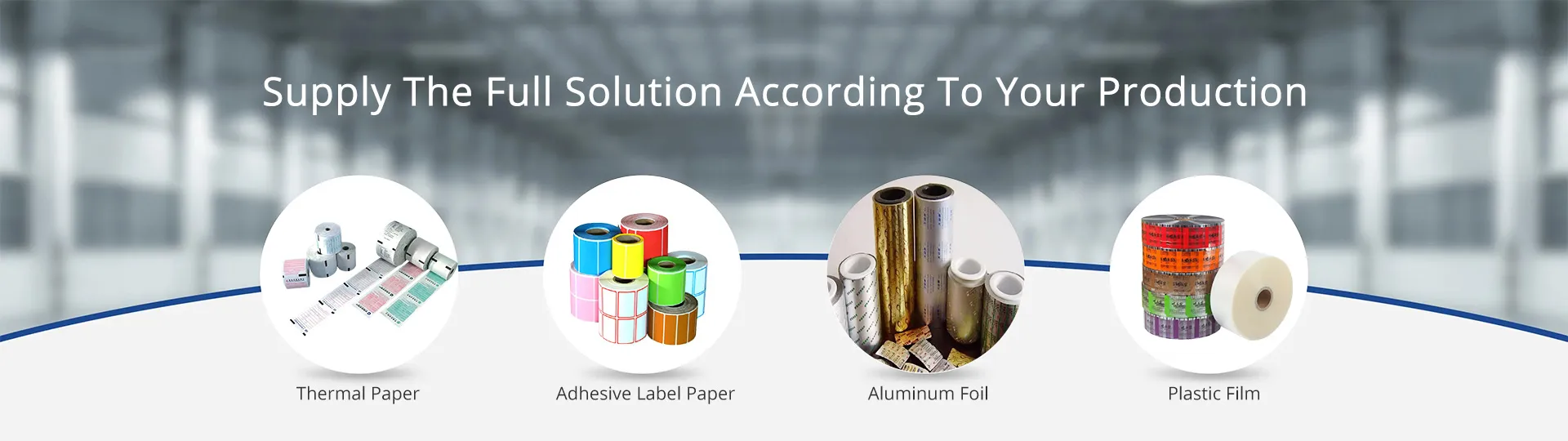
The primary reason flexographic printing accommodates such a wide range of substrates lies in the synergy between its flexible physical contact and its modular ink delivery system.
The distinct advantages of flexographic printing machines lie in the adaptability of their flexible plates, extensive media compatibility, eco-friendly ink systems, and high-speed production efficiency, perfectly meeting the packaging industry's comprehensive demands for cost, efficiency, and environmental sustainability. With technological advancements, the print quality now satisfies the fine requirements of mid-to-high-end packaging, establishing it as a core technology in modern package printing.
Unlike rigid plates used in offset or gravure printing, the flexible rubber or photopolymer plates conform elastically to irregular surfaces-such as corrugated cardboard or woven bags-without damaging fragile films. Furthermore, the anilox roller system allows for precise ink metering; deep cells transfer high volumes for absorbent papers, while shallow cells apply thin layers for non-absorbent films, preventing smudging. Combined with the ability to switch between water-based, solvent, and UV inks, and supported by adjustable tension and drying controls, this adaptability makes the flexo press a true "universal workhorse" for diverse packaging materials.