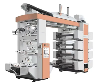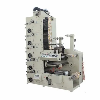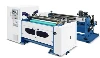
The maintenance of coiling composite machine is the key to ensure the efficient operation of the equipment, prolong the service life and guarantee the quality of the product. The main points of the maintenance of the roll laminating machine are as follows. It is divided into three parts: routine maintenance, periodic maintenance and special maintenance:
1.Daily maintenance
Cleaning equipment
Surface cleaning: At the end of the day, wipe the surface of the equipment with a clean soft cloth to remove dust, oil and residual adhesive.
Roller cleaning: regular cleaning of laminated roller, coated roller and guide roll, to prevent the accumulation of adhesive or impurities, affecting laminate effect.
Glue tank cleaning: Every time you change or stop the glue, wash the remaining glue in the glue jar to avoid solidification and blockage.
Check lubrication
Lubrication point inspection: according to the equipment specification, transmission parts (such as bearings, chains, gears, etc.) are lubricated regularly to ensure smooth operation.
Replace lubricating oil: according to the frequency of use, regularly replace lubricating oil, to prevent aging lubricating oil from affecting the lubricating effect.
Check tension system
Tension sensor: Check that the tension sensor is working properly to ensure that the tension control is accurate.
Brake/ Clutch: Check loose and twined brake or clutch to ensure sensitive tension adjustment.
Check electrical systems
Line inspection: check whether the line, plug, socket is loose or damaged to prevent short circuit or leakage.
Control panel: Check the buttons and indicator lights on the control panel for ease of operation.
2. Regular maintenance
Roller repair
Surface polishing: Composite and coated rollers are regularly polished to remove surface scratches or corrosion and maintain the surface smooth.
balance detection: Check roller dynamic balance regularly to prevent vibration during high-speed operation, affecting the quality of composite material.
Transmission system maintenance
Chain/belt adjustment: Check the tightness of the transmission chain or belt and adjust or replace if necessary.
Reducer inspection: check the oil level and oil quality of gearreducer regularly and replace lubricating oil if necessary.
Heating system maintenance
Heat roller check: check the temperature uniformity of the heating roller to ensure the stability of the composite temperature.
Thermocouple calibration: Periodically calibrate the thermocouple ensure accuracy of temperature measurement.
Pneumatic system maintenance
Gas source treatment: Check that the air source triplex (filter, pressure relief valve, oil mist) is working properly to ensure that the gas source is clean and dry.
Cylinder inspection: check the sealing and sensitivity of the cylinder and replace the seal if necessary.
III. Special maintenance
Long-term downtime maintenance;
Equipment cleaning: before long downtime, thoroughly clean the equipment to prevent adhesive curing or corrosion parts.
Rust-proof: Rust-proof oil on metal parts to prevent rust.
Cover protection: Use dust cover equipment to prevent dust from entering.
Troubleshooting and maintenance
Abnormal sound: When hearing an unusual noise, stop immediately to check whether the transmission parts or bearings are damaged.
Temperature anomaly: When the temperature anomaly, check the heating system or thermocouple for faults.
4, Poor compounding: When poor compounding, should check the adhesive, coating amount, mismatch pressure, temperature and other parameters.
Spare parts management
parts reserve: Stock up on commonly worn parts (such as rollers, bearings, seals, adhesives, etc.) for timely replacement.
Spare parts quality: To ensure that the quality of spare parts meets the requirements of the equipment and to avoid problems affecting the performance of the equipment.
IV. INTRODUCTION Notes on maintenance
Safety first
It is important to cut off power supply during repair to prevent electrocution or mechanical damage.
Use appropriate tools to avoid damage to equipment or personal injury due to improper tools.
Records maintenance
Establish equipment maintenance files to record the time, contents and replacement of spare parts for each repair to facilitate tracking of equipment status.
Professional training
Operators and maintenance personnel shall receive professional training and be familiar with the structure, principles and maintenance of the equipment.
Manufacturer guidance
For complex maintenance or repair, it is recommended to contact the equipment manufacturer or professional technician to avoid further damage due to improper operation.
V. Summary
The maintenance of the coiling machine requires a combination of routine, regular and special maintenance, focusing on cleaning, lubrication, tension control, electrical systems, rollers and transmission systems. Through scientific maintenance, we can guarantee the efficient operation of the equipment, prolong the service life of the equipment, reduce the failure rate and improve the product quality.
Aug 15, 2025
Leave a message
What Are The Key Points For Maintaining A Drum Composite Machine?
Send Inquiry