Comparison: Straight Blades vs. Rotary Knives in Slitting Machines
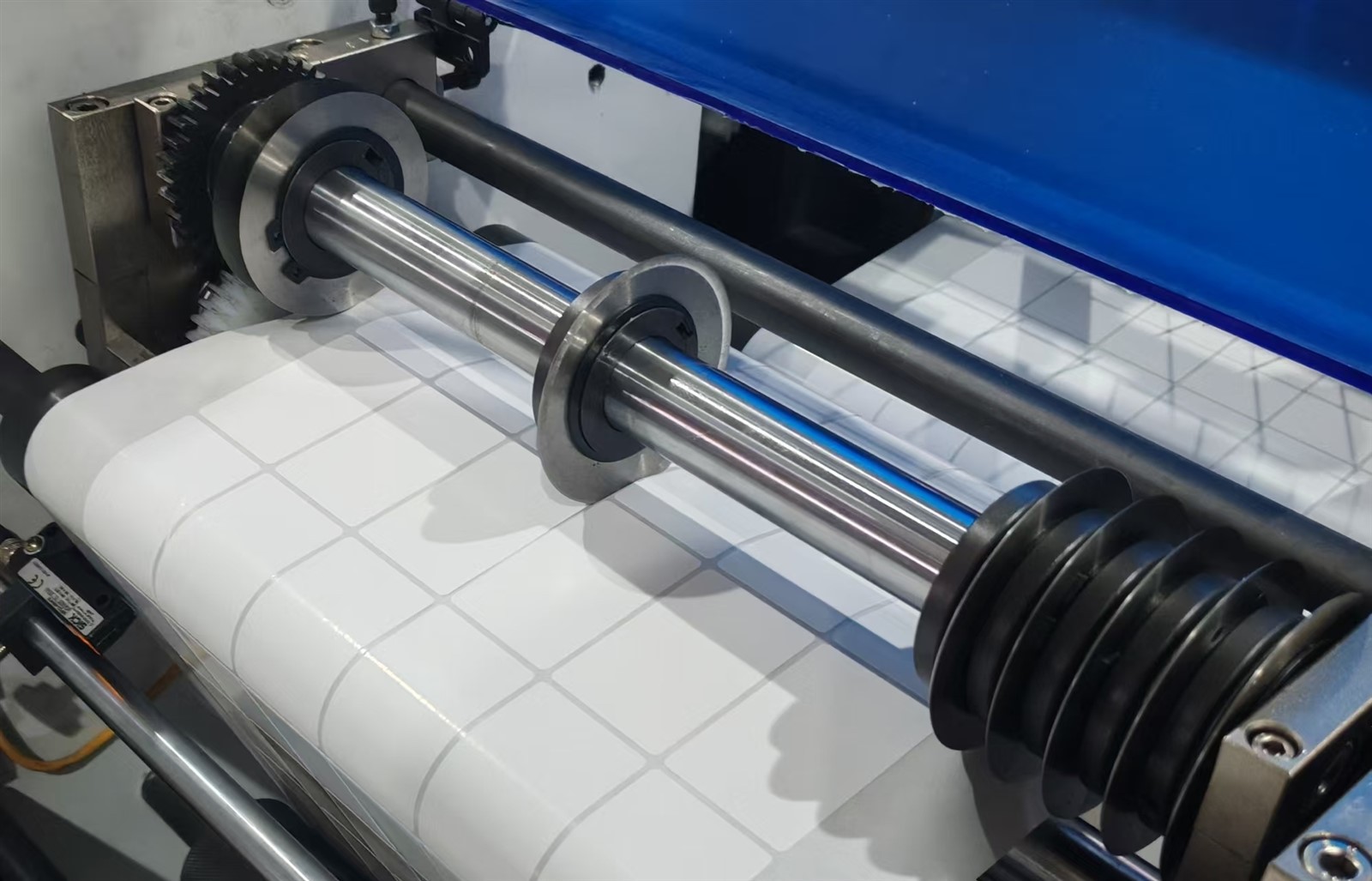
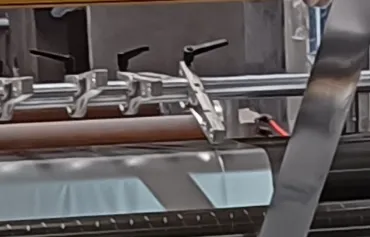
Rotray Knife Straight Blades
The core difference between Straight Blades and Rotary Knives lies in their cutting action, applicable materials, and edge quality.
1. Cutting Principle & Motion
Rotary Knives :
Principle: The blade is a disc that rotates synchronously with the material (or against a mating knife/anvil). It operates on a shear-cutting principle, similar to a pair of rolling scissors.
Feature: Continuous rotational cutting; smooth operation at high line speeds.
Straight Blades (Straight/Razor/Guillotine):
Principle: Typically includes Razor blades (fixed ultra-thin blades that drag through the material) or Guillotine blades (vertical up-and-down impact cutting).
Feature: Sliding friction (razor) or impact pressure (guillotine); non-continuous or semi-continuous motion.
2. Applicable Materials & Scenarios
Rotary Knives are better for:
Medium-thick & Rigid Materials: Cardboard, corrugated board, thick plastic films, metal foils (Aluminum/Copper), rubber sheets, leather.
High-Precision Requirements: Suitable for high-speed production lines where heat buildup and deformation must be minimized.
Straight Blades (especially Razor type) are better for:
Ultra-Thin & Soft Materials: BOPP, PE, PET films (typically <70μm), lithium battery separators, non-woven fabrics.
Low-Cost/Low-Speed Scenarios: Often used when budget is tight or production speed is low.
3. Slitting Quality & Pros/Cons
Rotary Knives:
Pros: Produces extremely clean, burr-free edges with no delamination. Highly durable, ideal for long-run, high-volume production. Excellent dimensional accuracy.
Cons: Requires precise setup of overlap and side pressure between upper and lower knives. Higher initial blade cost and more complex machinery.
Straight Blades (Razor type):
Pros: Simple installation ("plug-and-play"), very low blade cost, quick changeovers.
Cons: Cutting action is more like "tearing" than shearing, often resulting in burrs, micro-dust, or edge curling. Blades wear out extremely fast and require frequent replacement, making them unsuitable for high-speed, continuous operation.