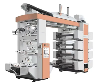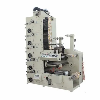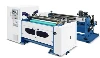
To ensure the stable operation of high-speed electronic axis rotary gravure press, it is necessary to start from many aspects. Here are some key measures
First, equipment purchase and installation
Choose high-quality equipment: When purchasing, you should choose a well-known brand, reliable quality, advanced technology of high-speed electronic axis rotary gravure press. Consider the accuracy, speed, stability, durability and after-sales service of the equipment.
Professional installation: After the equipment arrives, it should be installed and debutted by professional personnel. Ensure that all components of the device are correctly installed and securely connected, and that the electrical system and control system are correctly connected.
2. Daily maintenance and maintenance
Regular cleaning: Regular cleaning of the surface and inside of the equipment, especially key components such as printing units, ink rollers, scrapers, etc. Remove oil, dust and impurities and keep the equipment clean.
Check lubrication: Check the lubrication system of the equipment regularly to ensure that each lubrication point is grease enough, clean and free of impurities. Add or replace lubricants and greases as needed.
Fastening parts: Check the fastening of all parts of the equipment, especially the transmission parts and connecting parts. Secure the device when it is loose to prevent device failure.
Replacement of wearing parts: Regular inspection and replacement of wearing parts, such as scrapers, ink rollers, plates, etc. Ensure that these parts are in good condition to avoid affecting printing quality and equipment stability.
3. Operation specifications and training
Develop operating procedures: According to equipment characteristics and production needs, develop detailed operating procedures and precautions. Ensure that operators operate the equipment according to the regulations to avoid misoperation and illegal operation.
Operator training: Professional training for operators, so that they are familiar with the structure of the equipment, performance, operating procedures and common troubleshooting methods. Improve the skill level of operators and the ability to respond to emergencies.
Regular assessment: The operator is regularly assessed to check their mastery of the operating procedures and actual operation ability. Give rewards or suggestions for improvement according to the assessment results.
4. Environmental monitoring and adjustment
Temperature and humidity: Keep the temperature and humidity of the device environment stable. Avoid adverse impact on the device caused by high or low temperature and high or low humidity.
Power supply and grounding: Ensure that the power supply of the device is stable, reliable, and properly grounded. Prevent device failure or damage due to power supply fluctuations or poor grounding.
Dust and ventilation: Keep the environment of the device clean and well ventilated. Prevent dust and impurities from entering the device and affecting the printing quality and stability of the device.
5. Failure prevention and treatment
Regular inspection: Regular comprehensive inspection of equipment, including electrical system, control system, transmission system, printing unit, etc. Identify potential problems and deal with them promptly.
Spare parts reserve: Reserve a certain number of critical spare parts and wearing parts, so that in the event of equipment failure can be quickly replaced.
Troubleshooting: When the equipment fails, it should be stopped immediately for inspection and processing. If the fault cannot be handled, contact the manufacturer or professional maintenance personnel in time.